
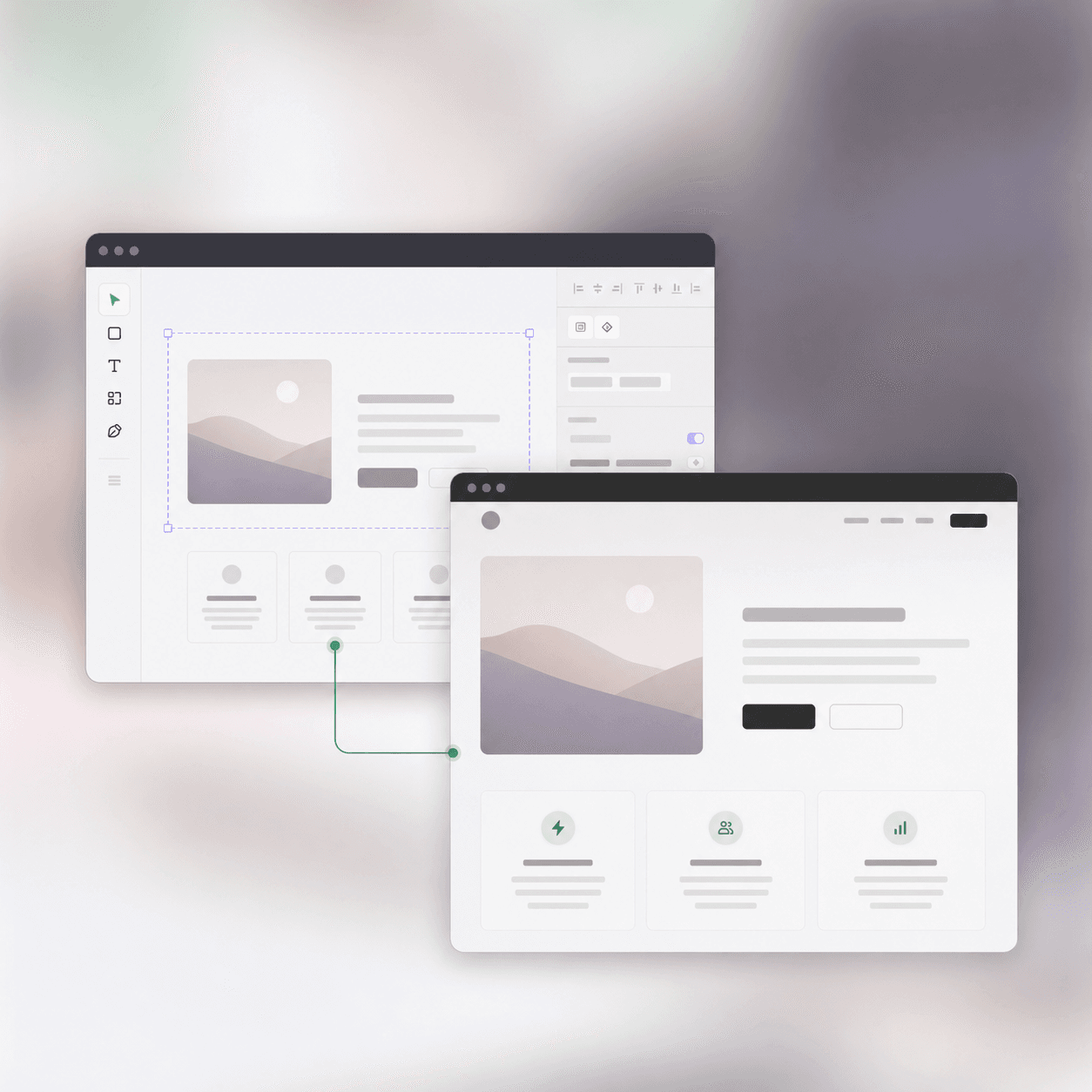
Figma landing pages
Ship campaign and product pages without rebuilding every approved section by hand.
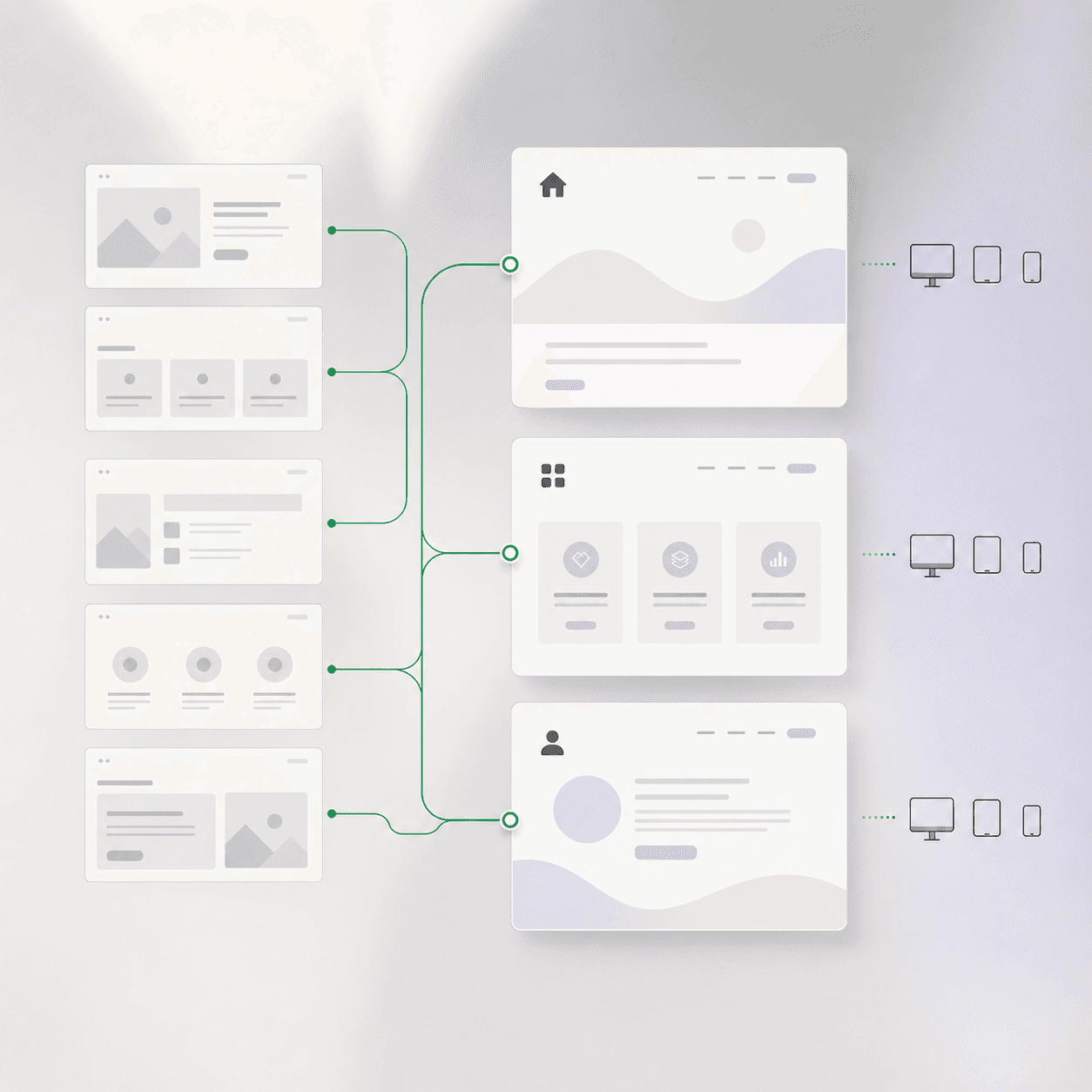
UpBuilder is an AI Figma-to-Webflow converter for multi-page, responsive projects. Organize Figma designs into website pages and breakpoints, build editable Webflow structure, and compare the published website with the original Figma references.
Native Webflow output that stays editable in Designer.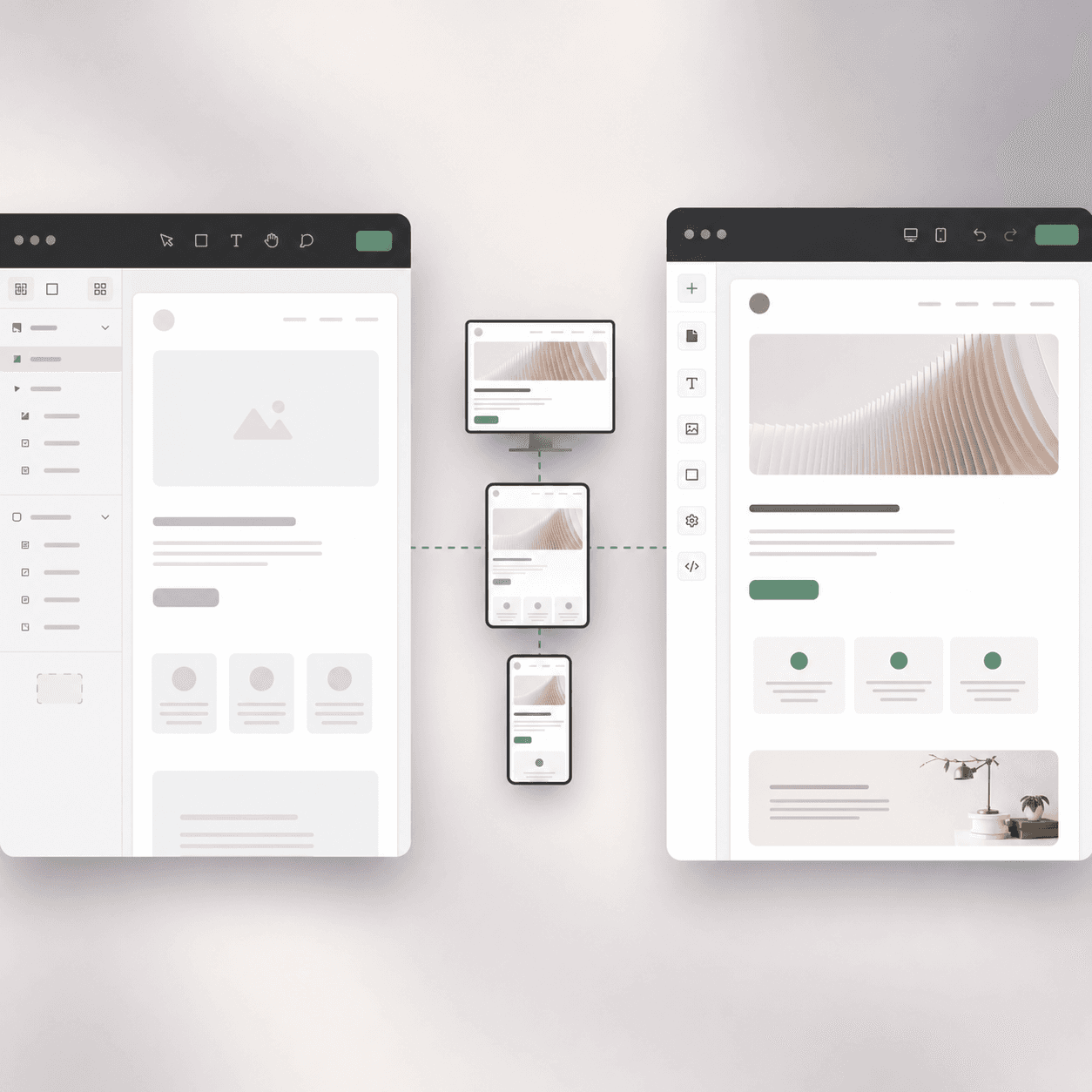
UpBuilder reads the selected frames, maps page relationships, builds the Webflow structure, and reviews the published result before handoff.
Carry layout, assets, classes, variables, and supported interactions into a site your team can continue editing.
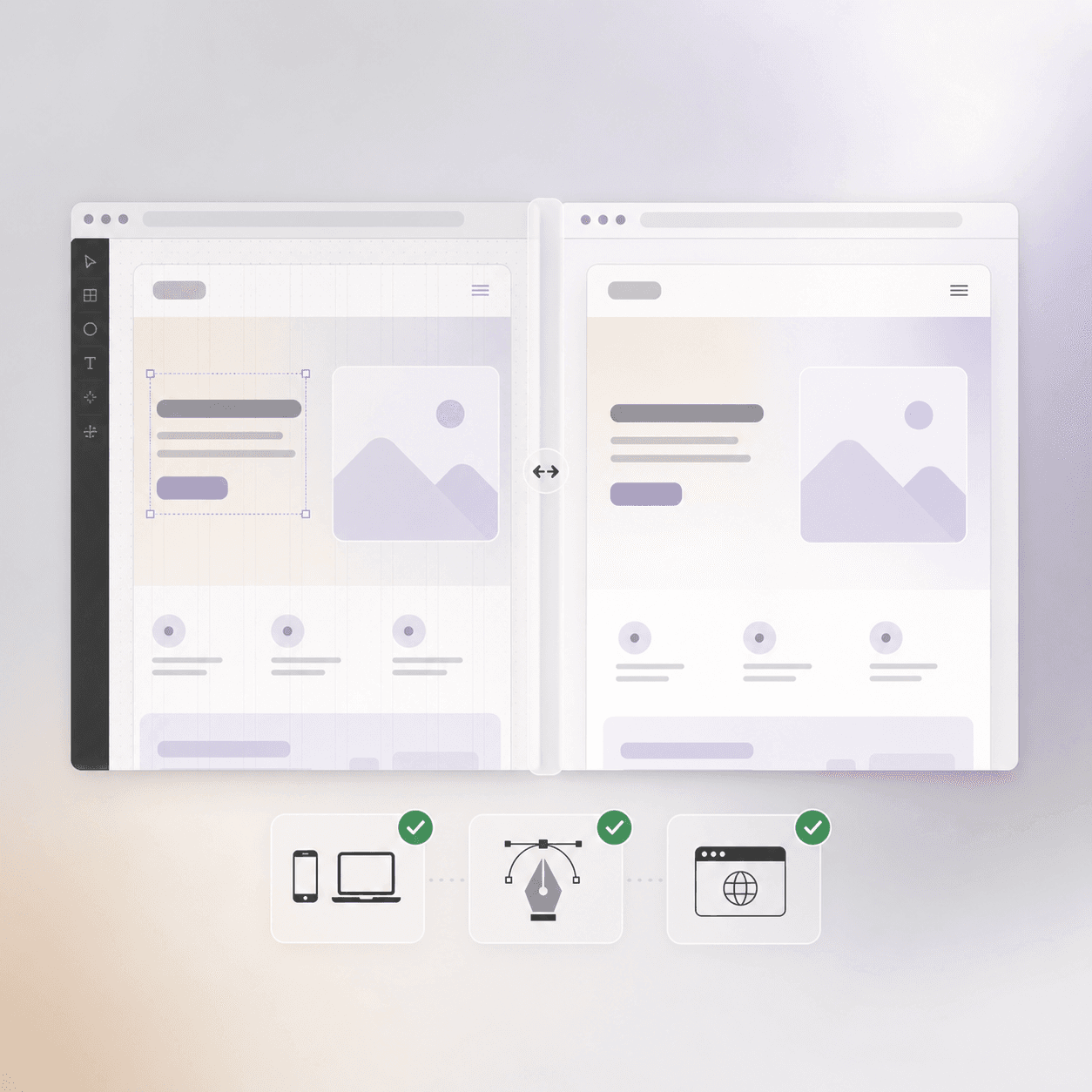
Compare screenshots at selected breakpoints, improve supported visual differences, and verify the final site in Webflow.
Start with approved design direction, keep the final output editable, and use responsive references to make the handoff clearer.
Ship campaign and product pages without rebuilding every approved section by hand.
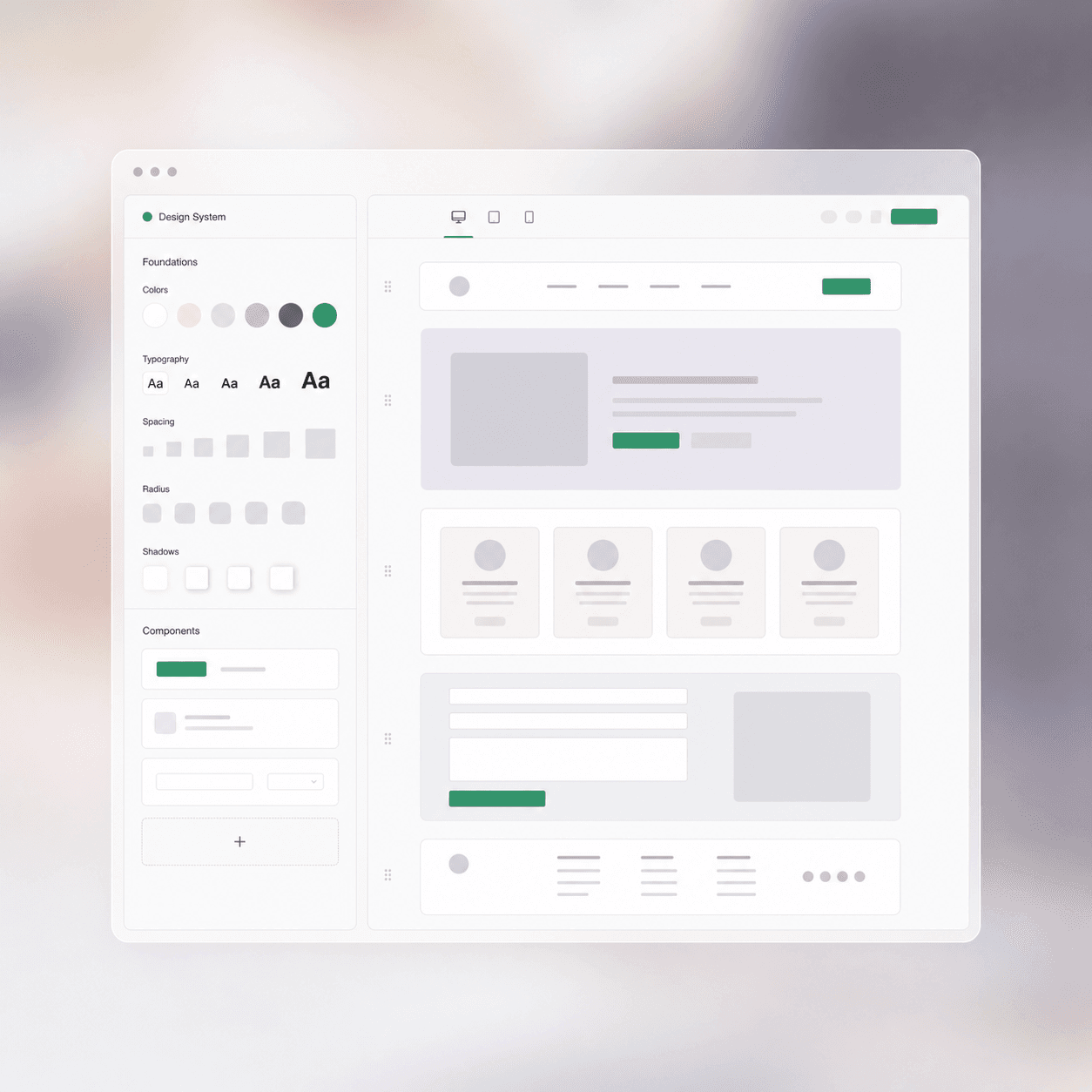
Turn repeated Figma patterns into reusable Webflow classes, sections, and assets.

Group desktop, tablet, and mobile references into complete responsive pages.
Customer stories
“Before this, we relied on a Webflow designer just to get landing pages live. Now we are building 10–15 landing pages a day using UpBuilder.”
“I love your product. You have the best product on the market regarding Figma conversion.”
“I like the way it validates and checks over its own work, rather than producing something that does not work.”
Before you build
Yes. UpBuilder can organize selected Figma designs into pages and responsive references, then create editable Webflow structure. The final site should still be reviewed for content, interactions, accessibility, and any ambiguous design decisions.
The best choice depends on the source file and handoff needs. UpBuilder is designed for multi-page projects that need responsive grouping, editable Webflow output, Figma screenshot comparison, and supported published-site checks in one workflow.
Yes. UpBuilder can organize up to 15 selected designs into logical website pages and responsive variants within one project build. Confirm the current project capacity inside the product before production use.
Yes. When Figma screenshot comparison is enabled, UpBuilder can capture supported rendered pages at selected dimensions and compare them with the matching Figma references. Supported Webflow workflows can also verify the published staging site.
It means using selected Figma designs as the source for editable webflow elements, classes, variables, assets, and supported interactions. UpBuilder organizes the pages and responsive references before creating the destination output.
Yes. Editable Webflow elements, classes, variables, assets, and supported interactions. The output is intended to remain inspectable and editable after the initial build.
Yes. You can group desktop, tablet, mobile, and additional Figma designs into the same page before building. Those references guide responsive output and screenshot comparisons.
No. Auto Layout can help communicate intent, but UpBuilder is designed to work with real-world Figma files, including frames that do not use Auto Layout consistently.
Export checks and published-site QA when the destination workflow is available. When Figma screenshot comparison is enabled, UpBuilder can also compare rendered pages with the matching Figma designs at selected dimensions.
UpBuilder automates page organization, destination output, and supported checks, but it does not remove the need for final review. Ambiguous design intent, unsupported interactions, content systems, fonts, and destination permissions may require human decisions.
Organize the designs, choose the responsive references, and let UpBuilder create the editable first build.
Start building